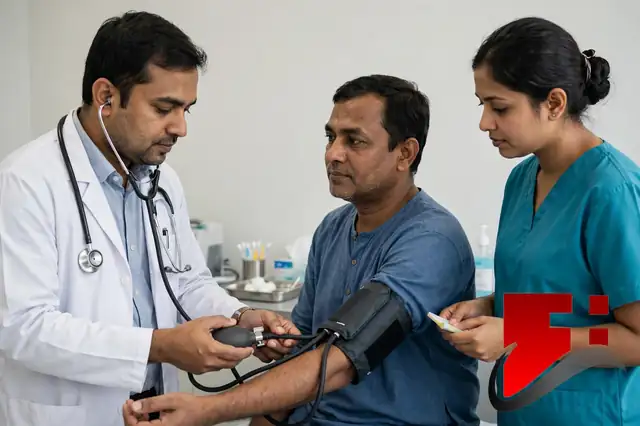
Hypertension Treatment in Howrah: Causes, Symptoms and Complete Care Guide
High blood pressure is one of the most common health problems in Howrah and Kolkata, yet most people do not know they have it. It has no pain, no fever, no warning in the early years. People go to work, eat their usual food, and feel completely fine, while the pressure inside their blood vessels quietly rises. Doctors call it the silent killer for this reason.
The good news is that hypertension is very treatable. With the right medicines, simple food changes, daily walking, and regular checkups, blood pressure can be brought under control and kept there. This guide explains everything in simple words: what hypertension is, why it happens, the symptoms to watch for, how doctors diagnose it, treatment options, diet with Bengali food, lifestyle changes, and where to get proper hypertension care in Howrah.
Table of Contents
- What Is Hypertension?
- Why Is It Called the Silent Killer?
- Causes and Risk Factors
- Symptoms You Should Not Ignore
- How Is Hypertension Diagnosed?
- Hypertension Treatment: What Are the Options?
- Medicines for High BP
- Diet Guide for Hypertension (Bengali Food Included)
- Lifestyle Changes That Lower BP
- What Happens If Hypertension Is Ignored?
- Hypertension Care at Lords Health Care, Howrah
- Frequently Asked Questions
What Is Hypertension?
Blood pressure is the force of blood pushing against the walls of your arteries. It is written as two numbers, like 120/80. The top number (systolic) is the pressure when the heart beats and pushes blood out. The bottom number (diastolic) is the pressure when the heart rests between beats.
Normal blood pressure is below 120/80. When the reading stays at 140/90 or higher on repeated checks, doctors call it hypertension. Between 120-139/80-89 is the warning zone, often called prehypertension. At this stage, lifestyle changes alone can often bring it back to normal.
High blood pressure means the heart has to work harder to push blood around the body. Over years, this extra load damages the arteries, heart, brain, kidneys, and eyes.
Why Is It Called the Silent Killer?
Most people with high blood pressure feel perfectly normal. There is no pain, no tiredness, no clear signal. That is what makes it dangerous. The damage builds up silently for years, and the first symptom is often a serious event: a heart attack, a stroke, or kidney failure.
This is why doctors ask adults to check their blood pressure at least once a year, even when they feel fine. A simple 2-minute BP check can catch the problem years before it causes harm. If you have diabetes, you should be even more careful, because diabetes and hypertension often come together and damage the same organs. Our guide to diabetes treatment in Howrah explains this connection in detail.
Causes and Risk Factors
In most cases, there is no single cause of hypertension. It builds up from a mix of factors:
- Too much salt in food. Bengali cooking uses salt generously, and packaged snacks, pickles, and papad add even more.
- Being overweight. Extra weight makes the heart work harder.
- No physical activity. Sitting all day weakens the heart and blood vessels.
- Smoking and tobacco. They damage artery walls and raise pressure immediately.
- Too much alcohol. Regular heavy drinking raises blood pressure.
- Stress. Constant tension keeps the pressure up.
- Family history. If your parents have high BP, your risk is higher.
- Age. Blood pressure tends to rise after 40.
- Kidney problems and thyroid disorders can also raise BP.
- Some medicines, like painkillers and certain cold medicines, can push BP up.
A small number of cases have a clear medical cause, like kidney disease or hormone problems. Doctors check for these when BP is very high or hard to control.
Symptoms You Should Not Ignore
Hypertension usually has no symptoms, but when BP goes very high, the body may signal:
- Severe headache, especially in the morning
- Shortness of breath during small efforts
- Chest discomfort or tightness
- Dizziness or feeling unsteady
- Blurred vision
- Nosebleeds (occasional, not a reliable sign)
- Flushing or a pounding feeling in the head and chest
Do not wait for symptoms to get your BP checked. By the time symptoms appear, the pressure is usually dangerously high. If you get a very high reading (above 180/120) with chest pain, breathlessness, or vision trouble, go to the emergency department at once.
How Is Hypertension Diagnosed?
Diagnosis is simple and painless. The doctor wraps a cuff around your upper arm, inflates it, and reads the pressure. One high reading is not enough for a diagnosis. The doctor will check BP on different days, in both arms, and sometimes ask you to monitor at home.
Tests that may follow:
- Blood tests: sugar, cholesterol, kidney function, thyroid
- Urine test: to check kidney health
- ECG: to see if the heart is strained. An ECG test in Howrah is quick and available at Lords Healthcare.
- 2D echo: ultrasound of the heart to check pumping and wall thickness
- Eye check: high BP damages the small vessels in the eyes
These tests show whether hypertension has already affected any organ and help the doctor choose the right treatment.
Hypertension Treatment: What Are the Options?
Treatment has two parts: medicines and lifestyle. Most people need both.
For mild hypertension (140-159/90-99) with no organ damage, the doctor may first try 3 months of lifestyle changes: less salt, weight loss, daily walking, no smoking, less alcohol. If BP does not come down, medicines are added.
For higher readings or when diabetes, kidney disease, or heart disease is also present, medicines start right away along with lifestyle changes. Delaying treatment in these cases risks serious damage.
Treatment is long-term. Hypertension is usually a lifelong condition, but it is fully controllable. Many people take one small tablet a day and live completely normal lives. Stopping medicines on your own because you "feel fine" is the most common and most dangerous mistake.
Medicines for High BP
Doctors choose from several safe and well-tested groups of medicines:
- ACE inhibitors and ARBs: relax blood vessels
- Calcium channel blockers: relax the vessel walls
- Diuretics: help the body remove extra salt and water
- Beta blockers: slow the heart rate and reduce its workload
The choice depends on your age, other diseases, and how your body responds. It may take a few visits to find the right medicine and dose. This is normal. Report side effects like dry cough, ankle swelling, or dizziness, so the doctor can adjust.
Never start, stop, or change BP medicine on your own. Never borrow someone else's tablets. What works for your neighbour may not suit you.
Diet Guide for Hypertension (Bengali Food Included)
Food is one of the most powerful tools against high BP. The goal is simple: less salt, more vegetables, sensible portions.
Salt: Aim for less than one teaspoon (5 grams) of salt per day, including the salt hidden in food. Cook with less salt, remove the salt cellar from the table, and cut down on pickles, papad, packaged chips, instant noodles, and processed foods. Read labels: bread, biscuits, and sauces carry surprising amounts of salt.
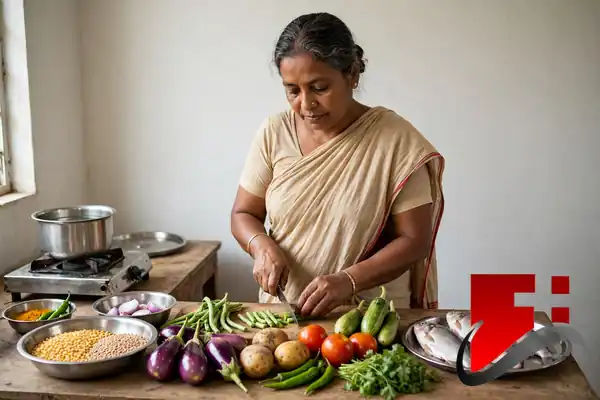
Bengali food can be BP-friendly with small changes:
- Dal, sabzi, and machher jhol are fine; just use less salt and less oil.
- Shorshe (mustard) dishes are good; mustard oil in small amounts is acceptable.
- Avoid extra noon (salt) on cut fruits and salads.
- Choose muri (puffed rice) without added salt over fried chanachur.
- Eat more leafy greens: palong shaak, lal shaak, methi.
- Fruits like banana, guava, and papaya add potassium, which helps control BP.
- Curd and buttermilk (without extra salt) are good.
What to limit: red meat, deep-fried snacks (telebhaja, singara), sweets in large amounts, and alcohol. What helps: whole grains, lentils, vegetables, fruits, and enough water through the day.
Lifestyle Changes That Lower BP
Medicines work best when daily habits support them:
- Walk 30 minutes a day. Brisk walking is one of the best BP medicines, and it is free. Morning or evening, pick a time and stick to it.
- Lose extra weight. Even 5 kg of weight loss can bring BP down noticeably.
- Quit smoking and tobacco completely. BP starts improving within days of quitting.
- Limit alcohol. If you drink, keep it moderate and occasional.
- Sleep 7-8 hours. Poor sleep raises BP.
- Manage stress. Deep breathing, prayer, music, or time with family all help. Constant anger and worry keep pressure high.
- Check BP at home. A home BP machine costs little and helps you and your doctor see the real pattern.
These changes also protect against diabetes and heart disease, which travel with hypertension.

What Happens If Hypertension Is Ignored?
Uncontrolled high BP damages organs slowly and silently:
- Heart: the heart muscle thickens and weakens, leading to heart failure. Arteries narrow, raising the risk of heart attack.
- Brain: hypertension is the number one risk factor for stroke. Our guide to stroke treatment in Howrah explains why controlling BP is the best stroke prevention.
- Kidneys: high pressure damages the kidney's tiny filters, which can lead to kidney failure and dialysis.
- Eyes: the small vessels in the retina get damaged, which can blur vision.
- Arteries: constant high pressure hardens and narrows arteries all over the body.
All of this is preventable. Controlled BP means a normal life expectancy for most people.
Hypertension Care at Lords Health Care, Howrah
At Lords Health Care in Shibpur, Howrah, hypertension care starts with a proper evaluation by our Medicine Specialist, Dr. Sudip Banerjee, who has 14 to 17 years of experience in managing high blood pressure, diabetes, thyroid disorders, and heart risk. The first visit includes a detailed history, BP checks in both arms, and the needed blood tests, ECG, and other investigations under one roof.
Based on the results, you get a personal treatment plan: the right medicine at the right dose, a diet plan that fits Bengali food habits, and a follow-up schedule. Our in-house diagnostic lab, ECG test in Howrah facility, and cardiologist in Howrah support complete heart evaluation when needed. For patients who also need regular health tracking, our full body checkup in Howrah packages make yearly monitoring simple.
Regular follow-up is the heart of hypertension care. BP medicines sometimes need dose changes with seasons, weight changes, or new symptoms. We keep your records and adjust the plan at every visit, so your pressure stays in the safe zone year after year.
Frequently Asked Questions
What is normal blood pressure?
Below 120/80 is normal. 120-139/80-89 is the warning zone (prehypertension). 140/90 or higher on repeated checks is hypertension.
Can hypertension be cured permanently?
In most cases, no, but it can be fully controlled. With daily medicine and healthy habits, BP stays normal and complications are prevented. A few people with mild hypertension can come off medicines after major weight loss and lifestyle change, but only under a doctor's guidance.
Which foods should I avoid with high BP?
Extra salt, pickles, papad, packaged snacks, processed foods, deep-fried items, and excess alcohol. Also go easy on red meat and sweets.
Is home BP monitoring reliable?
Yes, if done right. Use a validated upper-arm machine, sit quietly for 5 minutes before measuring, keep your arm at heart level, and take two readings a minute apart. Bring the machine to your doctor once to check it against the clinic reading.
Can stress alone cause hypertension?
Stress raises BP temporarily. Long-term stress, combined with poor sleep, smoking, or drinking, can push it into the hypertension range. Managing stress is a real part of treatment.
When should I see a doctor for high BP?
If your home readings are repeatedly above 140/90, if you have diabetes or kidney disease with any high reading, or if you get chest pain, breathlessness, or vision trouble with high BP, see a doctor promptly. Adults over 40 should get BP checked at least once a year even without symptoms.
Visit Lords Health Care for BP Care in Howrah
High blood pressure does not have to control your life. With the right treatment and regular follow-up, you can keep it in the safe zone and protect your heart, brain, and kidneys.
Visit Lords Health Care, Shibpur, Howrah for complete hypertension evaluation and care. Call our toll-free helpline at 1800 309 0895 to book an appointment with Dr. Sudip Banerjee, Medicine Specialist. Early control is the best protection.