Diabetes Treatment in Howrah: Symptoms, Tests, Diet and Complete Care Guide
Diabetes has become one of the most common health problems in Howrah and Kolkata. Many people live with high blood sugar for years without knowing it. They feel tired, they drink more water than usual, they visit the washroom often at night, but they think it is just age or weakness. By the time they get tested, the sugar level is already very high.
The good news is that diabetes can be controlled well. With the right treatment, proper diet, regular exercise and timely checkups, a person with diabetes can live a fully normal and active life. This guide explains everything in simple words: the types of diabetes, early warning signs, which tests you need, what treatment looks like, what to eat, and where to get proper diabetes care in Howrah.
Table of Contents
- What Is Diabetes?
- Types of Diabetes
- Early Symptoms You Should Not Ignore
- Tests That Diagnose Diabetes
- Diabetes Treatment: What Are the Options?
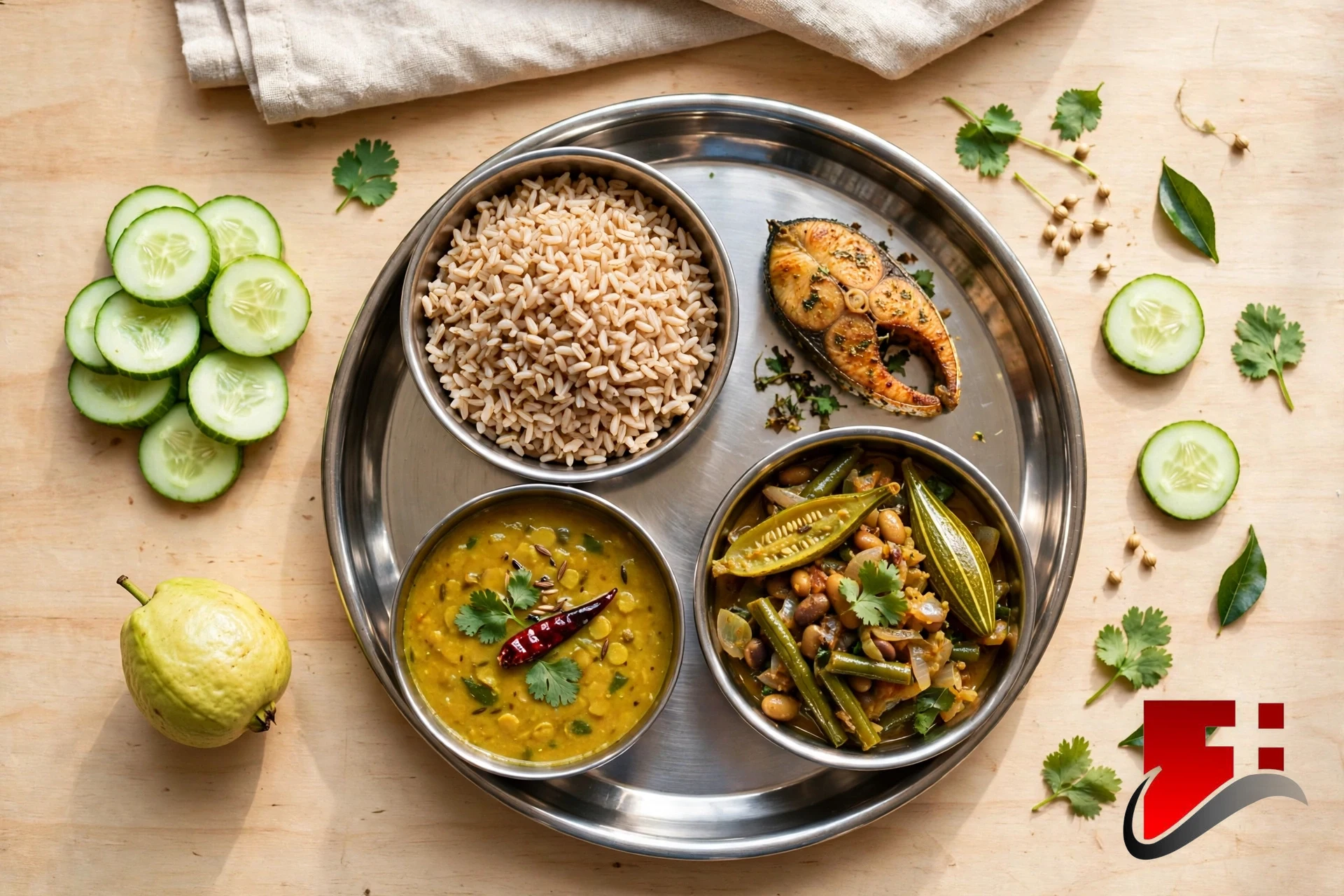
- Diet Guide for Diabetes (Bengali Food Included)
- Exercise and Lifestyle Changes
- What Happens If Diabetes Is Ignored?
- Diabetes Care at Lords Health Care, Howrah
- When Should You See a Doctor?
- Frequently Asked Questions
1. What Is Diabetes?
When you eat food, your body turns much of it into glucose, which is a type of sugar. This sugar goes into your blood and gives energy to your body. A hormone called insulin, made by the pancreas, helps move this sugar from the blood into the cells.
In diabetes, this system does not work properly. Either the body does not make enough insulin, or the body cannot use insulin well. As a result, sugar stays in the blood and the blood sugar level goes up. Over time, high blood sugar can damage the heart, kidneys, eyes, nerves and feet.
Diabetes does not spread from one person to another. But it runs in families, and lifestyle plays a big role in it.
2. Types of Diabetes
Type 2 diabetes is the most common type. About 9 out of 10 people with diabetes have this type. It usually starts after the age of 35 or 40, though now younger people are also getting it. In this type, the body makes insulin but cannot use it properly. Being overweight, eating too much sugary and oily food, and not exercising increase the risk.
Type 1 diabetes usually starts in childhood or teenage years. In this type, the body makes very little or no insulin. People with type 1 diabetes need insulin injections from the beginning.
Gestational diabetes happens during pregnancy. The blood sugar goes up during pregnancy and usually becomes normal after delivery. But women who had gestational diabetes have a higher chance of getting type 2 diabetes later.
Prediabetes is the warning stage. The blood sugar is higher than normal but not high enough to be called diabetes. At this stage, lifestyle changes alone can often bring the sugar back to normal and prevent diabetes.
3. Early Symptoms You Should Not Ignore
Diabetes often starts silently. But the body gives some signals. Do not ignore these:
- Feeling very thirsty all the time
- Going to the washroom often, especially at night
- Feeling tired and weak even after rest
- Blurred vision
- Cuts and wounds taking a long time to heal
- Tingling or numbness in hands and feet
- Losing weight without trying
- Getting skin infections again and again
If you have two or three of these signs, get your blood sugar tested. Early detection makes treatment much easier.
4. Tests That Diagnose Diabetes
Diabetes is confirmed with simple blood tests. Your doctor may advise one or more of these:
Fasting Blood Sugar (FBS): Blood is taken in the morning on an empty stomach, after 8 to 10 hours of no food. Normal is below 100 mg/dL. Between 100 and 125 means prediabetes. 126 or above means diabetes.
Postprandial Blood Sugar (PPBS): Blood is taken 2 hours after a meal. Normal is below 140 mg/dL.
HbA1c Test: This is the most useful test. It shows your average blood sugar of the last 2 to 3 months. Below 5.7% is normal, 5.7 to 6.4% is prediabetes, and 6.5% or above means diabetes. You do not need to stay empty stomach for this test. Read our detailed guide: HbA1c Test in Shibpur, Howrah: Price, Normal Range & Preparation Guide
Random Blood Sugar (RBS): Taken at any time of the day. If it is 200 mg/dL or above along with symptoms, it suggests diabetes. Learn more: Blood Sugar Test in Howrah: Fasting vs Random Blood Sugar
Your doctor will decide which tests you need and how often to repeat them.
5. Diabetes Treatment: What Are the Options?
There is no permanent cure for diabetes yet, but it can be controlled very well. Treatment depends on the type of diabetes and the sugar level.
Lifestyle treatment is the base of all diabetes care. This means a proper diet, daily exercise, weight control, quitting smoking and limiting alcohol. For prediabetes and early type 2 diabetes, lifestyle changes alone can sometimes bring sugar to normal.
Medicines (tablets): Most people with type 2 diabetes take daily tablets. The most common medicine is metformin. Your doctor may add other medicines depending on your sugar level, weight, and other health problems. Never start or stop diabetes medicine on your own.
Insulin: People with type 1 diabetes need insulin from the start. Some people with type 2 diabetes also need insulin later, when tablets are not enough. Insulin is given as an injection, and your doctor will teach you how to take it safely at home.
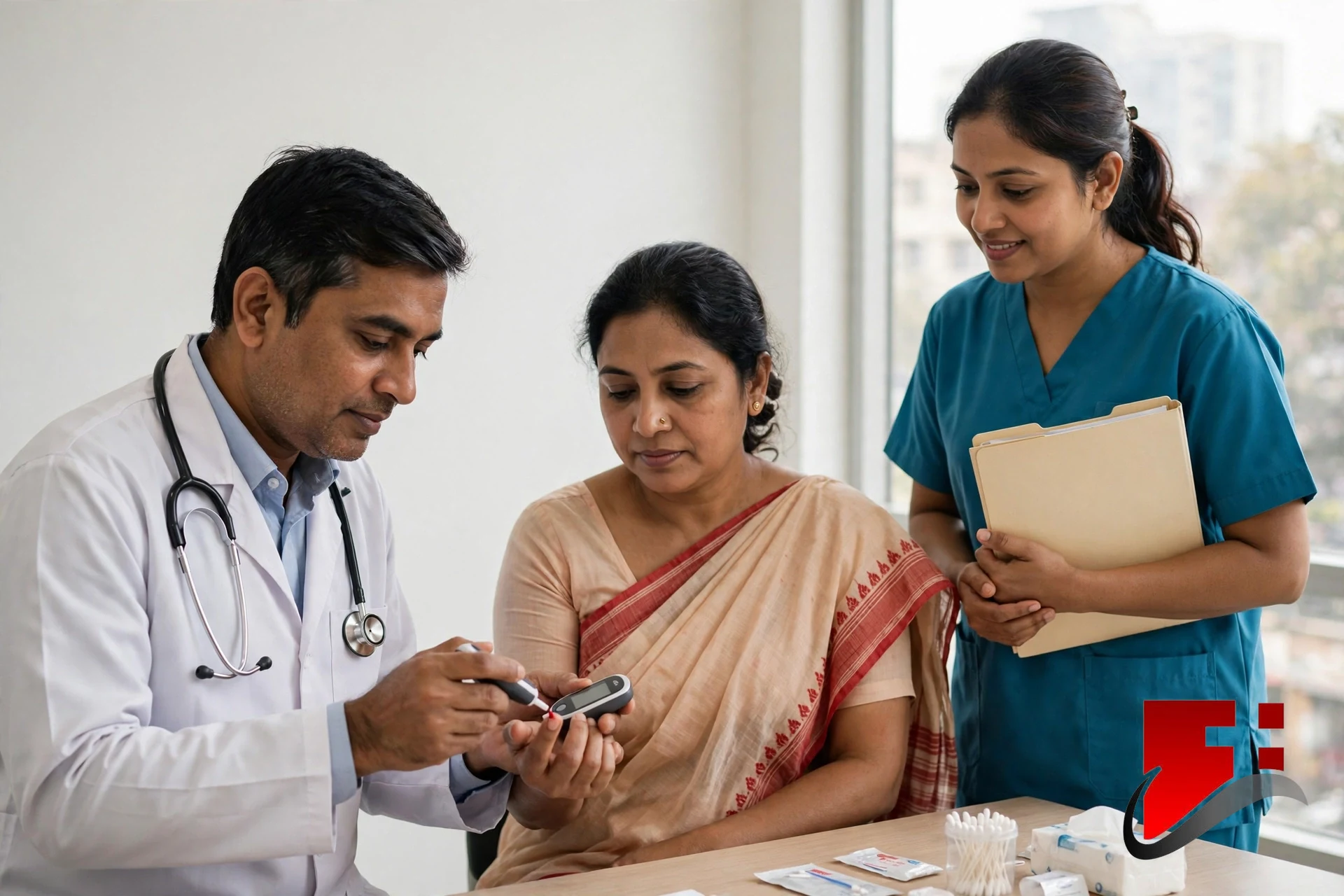
Regular monitoring: Checking blood sugar at home with a glucometer helps you and your doctor understand how food, medicine and exercise affect your sugar. Your doctor will tell you how often to check.
Treatment works best when it is personal. Two people with diabetes may need different medicines and different diet plans. That is why regular follow-up with your doctor is so important.
6. Diet Guide for Diabetes (Bengali Food Included)
Food is half the treatment in diabetes. You do not need to stop eating tasty food. You need to eat the right food in the right amount at the right time.
Eat more of these:
- Vegetables: all kinds of shak, lau, potol, jhinge, uchhe, beans, cabbage, cauliflower
- Whole grains: brown rice or limited white rice, atta roti, oats, dalia
- Protein: fish, chicken (without skin), eggs, dal, chana, paneer, soya
- Fruits in small amounts: apple, guava (peyara), papaya, orange
- Nuts in small amounts: almonds, walnuts, peanuts
Eat less or avoid:
- White sugar, sweets (mishti), cold drinks, packaged fruit juice
- White rice in large amounts; take smaller portions
- Fried food: luchi, kochuri, singara, chips, pakora
- Maida items: white bread, cake, biscuits
- Alcohol
Simple daily rules:
- Eat 3 small meals and 2 small snacks instead of 2 heavy meals
- Fill half your plate with vegetables first
- Drink plenty of water; avoid sugary drinks completely
- Do not skip meals, especially if you take diabetes medicine
- Check food labels for hidden sugar
A dietitian can make a personal diet chart based on your sugar level, weight and medicines. Bengali food can easily fit into a diabetes diet with small changes.
7. Exercise and Lifestyle Changes
Daily movement helps the body use insulin better and brings sugar down naturally.
- Walk briskly for 30 minutes a day, at least 5 days a week
- Morning walk is good, but evening walk after dinner also helps control sugar
- Simple home exercises, yoga and cycling are all useful
- If you sit for long hours at work, stand up and walk for 5 minutes every hour
- Try to reach and maintain a healthy weight; even 5 kg weight loss can improve sugar a lot
- Sleep 7 to 8 hours; poor sleep raises blood sugar
- Manage stress; deep breathing and prayer help
- Stop smoking completely; smoking makes diabetes complications much worse
Start slowly if you are not used to exercise, and ask your doctor before starting anything heavy, especially if you have heart problems or foot issues.

8. What Happens If Diabetes Is Ignored?
Many people stop taking medicine when they feel fine. This is dangerous. High sugar silently damages the body over years:
- Heart: Higher chance of heart attack. Get your heart checked regularly: ECG Test in Howrah
- Kidneys: Sugar damages the kidneys slowly. A yearly check is important: Kidney Function Test in Shibpur
- Eyes: Diabetes can damage vision and even cause blindness if ignored
- Nerves: Tingling, numbness and burning in feet; injuries may go unnoticed
- Feet: Small cuts can turn into serious infections; check your feet daily
- Skin: Slow healing and repeated infections
The sad part is that most of this damage can be prevented with controlled sugar and regular checkups. Do not wait for symptoms.
9. Diabetes Care at Lords Health Care, Howrah
Lords Health Care at Shibpur, near Nabanna, offers complete diabetes care under one roof:
- Diabetologist and Endocrinologist OPD: Expert doctors for diabetes and hormone problems
- Dr. Sudip Banerjee, Medicine Specialist: 14 to 17 years of medical experience in general health, chronic disease management including diabetes, hypertension and thyroid, with personalised treatment plans
- In-house diagnostics: HbA1c, fasting and PP blood sugar, lipid profile, kidney function test, thyroid test, all under one roof
- Diet guidance: Practical diet advice that fits Bengali food habits
- Regular follow-up: Sugar monitoring plans and medicine review
- Emergency support: 24/7 emergency and nursing home services
You do not need to run to different labs and clinics. Testing, doctor consultation, diet advice and follow-up all happen at one place.
Lords Health Care
13/3, Circular 2nd Bye Lane, Kona Expressway, Shibpur, Howrah 711102 (Near Nabanna)
Phone: +91 82729 04444 | Toll Free: 1800 309 0895
10. When Should You See a Doctor?
Do not delay. See a doctor soon if:
- Your fasting sugar is above 126 or HbA1c is 6.5% or above
- You have any of the early symptoms listed above
- You have a family history of diabetes and are above 35
- You are overweight with a big waistline
- You had diabetes during pregnancy
- Your sugar is controlled but you want a proper long-term plan
- You get frequent infections or slow-healing wounds
If you are above 40, get a full health checkup once a year even if you feel fine: Full Body Checkup in Howrah: Tests, Benefits & Preparation
11. Frequently Asked Questions
Can diabetes be cured permanently?
No permanent cure exists yet, but type 2 diabetes can be controlled so well that sugar stays normal and medicines may reduce. Some people even reach remission with weight loss and lifestyle change. Regular treatment is the key.
What is the normal blood sugar level?
Fasting below 100 mg/dL, 2 hours after meal below 140 mg/dL, and HbA1c below 5.7% are normal.
Can I eat rice if I have diabetes?
Yes, but in smaller portions. Fill half your plate with vegetables first, take one small bowl of rice instead of two, and prefer brown rice when possible.
Is diabetes hereditary?
It runs in families. If your parents have diabetes, your risk is higher, but a healthy lifestyle can delay or prevent it.
How often should I check my HbA1c?
Usually once every 3 months until sugar is stable, then once every 6 months. Your doctor will advise based on your condition.
Can sweets be eaten occasionally?
A very small amount once in a while is okay if your sugar is well controlled, but daily sweets will keep sugar high. Talk to your doctor about your diet plan.
---
This article is for general information only and is not a substitute for medical advice. Please consult a doctor for diagnosis and treatment.