

Dialysis Centre Near Me in Howrah: How to Choose the Right Kidney Care Centre
Searching for a dialysis centre near me is not the same as searching for an ordinary healthcare service. For patients with advanced kidney disease, dialysis may become a regular part of life, which means the choice of dialysis centre can affect treatment convenience, continuity of care, travel time and the overall patient experience.
For families in Howrah, Shibpur, Nabanna, Kona and surrounding areas, finding a reliable dialysis centre in Howrah can therefore be an important healthcare decision.
But here is the part many people get wrong: the closest dialysis centre is not necessarily the right one.
Patients and families should look beyond location and compare factors such as nephrology support, dialysis options, infection-control practices, trained staff, emergency support, monitoring, accessibility and the hospital’s broader medical infrastructure.
This guide explains what dialysis is, when it may be required, what patients should look for in a dialysis centre and what to consider when searching for a dialysis centre near me in Howrah.
What Is Dialysis?
Dialysis is a treatment that helps remove waste products and excess fluid from the blood when the kidneys are no longer able to perform these functions adequately.
Healthy kidneys perform several important jobs. They help remove waste from the body, regulate fluid balance and maintain appropriate levels of minerals and electrolytes.
When kidney function becomes severely reduced, waste and fluid can accumulate in the body. Depending on the patient’s condition, healthcare professionals may recommend dialysis, kidney transplantation or another appropriate management approach.
According to the National Institute of Diabetes and Digestive and Kidney Diseases (NIDDK), kidney failure occurs when kidney function falls below about 15% of normal. Treatment options can include hemodialysis, peritoneal dialysis, kidney transplantation or conservative management, depending on the patient’s situation.
Dialysis does not cure kidney failure. Instead, it replaces some of the functions normally performed by healthy kidneys.
That distinction matters because dialysis is usually part of a broader long-term treatment plan.
Why Do Patients Need Dialysis?
Dialysis may be required when the kidneys can no longer adequately remove waste and excess fluid from the body.
Kidney failure can develop gradually due to chronic kidney disease or may occur more rapidly in certain situations.
Some conditions associated with kidney damage include:
- Diabetes
- High blood pressure
- Certain kidney diseases
- Glomerular diseases
- Polycystic kidney disease
- Severe kidney injury
- Other medical conditions affecting kidney function
Not everyone with chronic kidney disease needs dialysis.
The decision depends on kidney function, symptoms, laboratory findings, fluid balance, overall health and other clinical factors.
A nephrologist evaluates these factors before recommending an appropriate treatment plan.
When Should You Search for a Dialysis Centre Near Me?
If a doctor has recommended dialysis, finding a suitable centre should not be postponed.
Searching for a dialysis centre near me can be particularly important when:
- A patient has been diagnosed with kidney failure
- A nephrologist has recommended hemodialysis
- A patient needs regular dialysis sessions
- A patient is moving to a new area
- A family needs a dialysis facility closer to home
- A patient requires ongoing nephrology monitoring
- A patient needs access to hospital-based kidney care
For patients who require dialysis regularly, travelling long distances several times a week can become physically and financially demanding.
That is why location matters.
But it is only one part of the decision.
What Is Hemodialysis?
Hemodialysis is one of the most common forms of dialysis.
During hemodialysis, a patient’s blood passes through a special filter called a dialyzer outside the body. The machine helps remove waste products and excess fluid before returning the filtered blood to the patient.
The process also helps manage certain mineral and electrolyte levels and can help control blood pressure.
Hemodialysis is commonly performed at a dialysis centre or hospital. Depending on the treatment plan, some patients may receive dialysis several times per week.
The exact schedule is not the same for everyone.
A nephrologist determines the appropriate dialysis prescription based on the patient’s medical condition and treatment needs.
What Is Peritoneal Dialysis?
Peritoneal dialysis works differently.
Instead of filtering blood through an external dialyzer, it uses the lining of the abdomen, called the peritoneum, as a filtering membrane.
A dialysis solution is introduced into the abdomen through a catheter. The solution absorbs waste products and excess fluid before being drained and replaced with fresh solution.
There are different forms of peritoneal dialysis, including:
- Continuous Ambulatory Peritoneal Dialysis (CAPD)
- Automated Peritoneal Dialysis (APD)
Whether peritoneal dialysis is appropriate depends on the patient’s health, lifestyle, home environment and medical assessment.
It should not be selected simply because it appears more convenient.
A nephrologist should explain the available options and their respective advantages, limitations and responsibilities.
Does Dialysis Cure Kidney Failure?
No.
This is one of the most important things patients and families should understand.
Dialysis replaces some of the functions of the kidneys, but it does not restore damaged kidneys to normal.
NIDDK explains that hemodialysis and peritoneal dialysis can help people with kidney failure feel better and continue daily activities, but neither treatment replaces all of the functions of healthy kidneys.
Kidney transplantation is another treatment option for selected patients.
Some patients may also receive conservative management without dialysis or transplantation, depending on their condition and personal treatment goals.
The appropriate option must be discussed with the treating nephrologist.
How Often Is Dialysis Required?
There is no universal dialysis schedule that applies to every patient.
Treatment frequency depends on:
- Kidney function
- Type of dialysis
- Patient’s overall health
- Fluid accumulation
- Laboratory results
- Treatment response
- Nephrologist’s prescription
Many patients receiving centre-based hemodialysis attend treatment multiple times per week. NIDDK notes that centre-based hemodialysis is commonly performed three times a week, although treatment schedules can vary.
The important point is simple:
Never change or skip a prescribed dialysis schedule without speaking to the treating healthcare team.
Dialysis is not something patients should manage casually.
Why Choosing the Right Dialysis Centre Matters
A dialysis session is not simply a matter of connecting a patient to a machine and waiting.
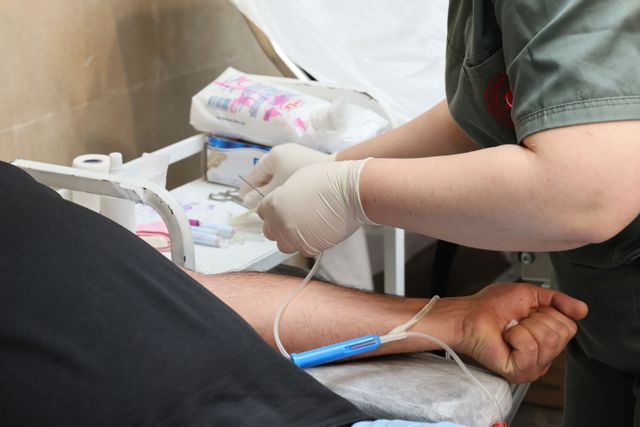
A proper dialysis service involves patient assessment, vascular access management, monitoring, infection prevention, treatment adjustment and follow-up.
A good dialysis centre in Howrah should therefore have systems that support both the technical and human sides of treatment.
Patients and families should consider the following factors.
1. Nephrologist Support
The availability of qualified nephrology support is one of the first things to consider.
A nephrologist specialises in kidney disease and can help manage:
- Chronic kidney disease
- Kidney failure
- Dialysis planning
- Electrolyte abnormalities
- Blood pressure problems
- Fluid management
- Kidney-related complications
- Long-term renal care
Lords Health Care lists nephrology as one of its medical specialties and states that its nephrology department manages kidney conditions including acute kidney injury, chronic kidney disease, nephrotic syndrome, glomerulonephritis and polycystic kidney disease.
Its website also lists several nephrologists associated with the hospital.
2. Dialysis Facilities
When comparing a dialysis centre near me, ask what type of dialysis is actually available.
Lords Health Care states that its renal replacement therapy services include:
- Hemodialysis
- Peritoneal dialysis
- Kidney transplantation support
Its nephrology department also states that the dialysis units are equipped with technology intended to support safe and effective treatment.
Patients should confirm the current availability of specific treatments directly with the hospital before booking.
3. Trained Dialysis Staff
Dialysis requires trained healthcare professionals who understand patient monitoring, vascular access, equipment operation and potential complications.
The patient should not hesitate to ask:
- Who supervises the dialysis treatment?
- Is trained dialysis staff available during sessions?
- How are complications handled?
- Is a nephrologist available when required?
- How are patient records maintained?
These are reasonable questions.
After all, the patient is trusting the centre with a treatment that directly affects circulation, fluid balance and waste removal.
4. Infection Prevention and Hygiene
Infection control should be treated as a serious issue in any dialysis setting.
Dialysis patients may have vascular access such as a fistula, graft or catheter.
The National Kidney Foundation notes that catheter-related bloodstream infections can be serious and highlights the importance of appropriate access care, hygiene and monitoring.
Patients can ask a dialysis centre about:
- Hand hygiene
- Cleaning procedures
- Equipment disinfection
- Vascular access care
- Infection monitoring
- Appropriate protective equipment
- Management of patients with infectious conditions
A clean-looking room is not enough.
What matters is whether the centre follows consistent clinical protocols.
5. Dialysis Access Management
Hemodialysis requires vascular access so blood can travel to and from the dialysis machine.
Common access types include:
Arteriovenous Fistula
A fistula connects an artery and vein, usually in the arm.
Graft
A graft uses a soft tube to connect an artery and vein.
Catheter
A catheter is placed into a large vein and may be used when dialysis needs to begin quickly or when another access option is not suitable.
The National Kidney Foundation notes that a fistula is generally preferred when possible because it tends to last longer and has fewer complications such as infection and clotting than other access types.
Patients should regularly monitor their access and report problems such as redness, swelling, pain, drainage, bleeding or changes in the normal sensation of blood flow.
6. Monitoring During Dialysis
Dialysis treatment needs appropriate monitoring.
The patient’s blood pressure, symptoms, fluid removal and treatment response may need to be assessed during and around the session.
The exact monitoring process depends on the patient’s condition and dialysis prescription.
A patient should feel comfortable asking the dialysis team how treatment is monitored and how abnormalities are handled.
7. Emergency and Hospital Support
This is one area where a hospital-based dialysis centre can have an important advantage.
Kidney patients may have other medical conditions, including:
- Diabetes
- Hypertension
- Heart disease
- Anaemia
- Electrolyte abnormalities
A patient receiving dialysis may occasionally require urgent medical evaluation.
Lords Health Care lists 24-hour ambulance service, 24-hour specialist doctors, 24-hour diagnostics and 24-hour pharmacy among its emergency services.
The hospital also states that it operates 24/7 and provides specialist medical services.
For a patient requiring regular dialysis, access to wider hospital services can be a useful consideration.
8. Location and Travel Time
When searching for a dialysis centre near me in Howrah, location deserves serious attention.
A dialysis patient may need repeated visits over a long period.
A centre that is relatively accessible from home can make it easier to:
- Attend scheduled sessions
- Reach appointments on time
- Manage follow-up visits
- Reduce travel fatigue
- Receive urgent care when necessary
- Coordinate family support
For residents of Shibpur and surrounding areas, a hospital near Nabanna can be particularly convenient.
Lords Health Care is located at:
13/3, Circular 2nd Bye Lane, Kona Expressway, Shibpur, Howrah – 711102, Near Nabanna.
9. Multispeciality Support
Kidney disease rarely exists in a vacuum.
Patients with chronic kidney disease may also have diabetes, hypertension, cardiovascular problems or other medical conditions.
Having access to multiple specialties within one healthcare environment can make coordination easier when additional medical input is required.
Lords Health Care lists departments including:
- Nephrology
- Cardiology
- Neurology
- Urology
- General Medicine
- Diabetes
- Endocrinology and Diabetology
- Pulmonology
- Gastroenterology
- Orthopaedics
- Haematology
- Physiotherapy
among its medical departments.
That broader infrastructure can be relevant for patients whose kidney disease is accompanied by other health concerns.
Dialysis and Diet: Why Nutrition Matters
Diet is an important part of kidney care, but there is no single “kidney diet” that works for everyone.
Depending on kidney function and dialysis type, patients may need to manage:
- Sodium
- Potassium
- Phosphorus
- Protein
- Fluid intake
The appropriate diet depends on the patient’s medical condition, laboratory values and dialysis treatment.
Patients should therefore work with their nephrologist and, where available, a renal dietitian.
Do not copy a random kidney diet from social media. Kidneys have already provided enough drama.
A diet that is appropriate for one patient may be inappropriate for another.
Fluid Management During Dialysis
Fluid management is particularly important for many dialysis patients.
When the kidneys cannot remove enough fluid, excess fluid can accumulate.
This may contribute to:
- Swelling
- Shortness of breath
- Increased blood pressure
- Heart strain
- Discomfort
The dialysis team determines how much fluid needs to be removed based on the patient’s clinical assessment and prescribed treatment.
Patients should follow the fluid recommendations given by their healthcare team.
Do not independently increase or drastically restrict fluid intake without medical advice.
What Happens During a Hemodialysis Session?
The exact process varies, but a typical centre-based hemodialysis session involves several stages.
Step 1: Pre-Dialysis Assessment
The healthcare team may check:
- Weight
- Blood pressure
- General condition
- Vascular access
- Symptoms
- Other relevant clinical measurements
Step 2: Vascular Access
The dialysis team accesses the patient’s fistula, graft or catheter according to the prescribed method.
Step 3: Blood Filtration
Blood travels through the dialysis machine and dialyzer.
The dialyzer removes waste and excess fluid before the blood returns to the patient.
Step 4: Monitoring
The patient is monitored throughout the session.
Step 5: Completion
At the end of treatment, the access is disconnected according to clinical protocol and the patient is assessed again.
The session length varies according to the individual dialysis prescription.
What Should You Take to a Dialysis Centre?
Patients may find it useful to carry:
- Previous medical reports
- Current medication list
- Prescription
- Recent blood-test reports
- Identification documents
- Insurance or payment documents where applicable
- A list of questions for the nephrologist
If you are changing dialysis centres, ask your previous centre or nephrologist about the records and treatment information the new centre will need.
Continuity of information matters.
Questions to Ask Before Choosing a Dialysis Centre Near Me
Before selecting a dialysis centre, ask these practical questions:
About Treatment
- What type of dialysis is available?
- Is hemodialysis available?
- Is peritoneal dialysis supported?
- What is the usual treatment schedule?
- How long is each session?
About Medical Support
- Is a nephrologist available?
- Who supervises the dialysis unit?
- How are complications handled?
- Is emergency medical support available?
About Safety
- What infection-control measures are followed?
- How is dialysis access monitored?
- How are machines and equipment maintained?
- What happens if a patient develops a problem during dialysis?
About Convenience
- Where is the centre located?
- What are the available dialysis timings?
- Is ambulance support available?
- Are diagnostic services available at the same hospital?
About Costs
Ask for the current dialysis charges and clarify whether additional services, investigations, medicines or hospital charges are billed separately.
Do not assume that the advertised dialysis price represents the complete cost of care.
Dialysis Centre Near Shibpur and Nabanna
For patients searching online for a dialysis centre near me in Howrah, Shibpur and the Nabanna area are worth considering based on accessibility.
Lords Health Care operates from 13/3, Circular 2nd Bye Lane, Kona Expressway, Shibpur, Howrah – 711102, near Nabanna.
Its nephrology department states that the hospital provides renal care for kidney diseases and offers hemodialysis and peritoneal dialysis as renal replacement therapy options.
The hospital also has multiple other specialties and emergency support, which can be relevant for patients who require broader medical care.
Lords Health Care for Dialysis and Kidney Care in Howrah
Lords Health Care provides nephrology services for patients with kidney-related conditions.
According to its nephrology department, the hospital manages conditions including acute kidney injury, chronic kidney disease, nephrotic syndrome, glomerulonephritis, polycystic kidney disease, electrolyte abnormalities and hypertension associated with kidney health.
For patients requiring renal replacement therapy, the hospital lists hemodialysis and peritoneal dialysis, along with kidney transplantation support.
Its website also lists nephrology specialists and a wider range of medical departments.
For someone searching for a dialysis centre in Howrah, this combination of nephrology care, dialysis services and broader hospital support may be relevant.
Patients should contact the hospital directly to confirm current dialysis availability, scheduling, charges and treatment eligibility.
Why Patients Should Not Choose a Dialysis Centre Based Only on Price
Cost is obviously important.
Dialysis is a long-term treatment for many patients, so families need to understand the financial commitment.
However, choosing purely on the lowest advertised price can be a mistake.
Patients should compare:
Cost + clinical support + safety + accessibility + nephrology care + emergency backup.
A cheaper centre that is extremely difficult to reach may create additional travel costs and physical stress.
Likewise, a centre with good infrastructure but no convenient access to the required specialist may not be ideal.
The objective is not to find the cheapest dialysis session.
The objective is to find appropriate, safe and sustainable kidney care.
When Should a Dialysis Patient Seek Urgent Medical Help?
Dialysis patients should contact their healthcare team promptly if they experience concerning symptoms.
Depending on the situation, urgent medical attention may be required for:
- Chest pain
- Severe breathing difficulty
- Fainting
- Severe weakness
- High fever or chills
- Persistent vomiting
- Unusual bleeding
- Severe swelling
- Problems with dialysis access
- Redness, warmth, pain or drainage around access
- Sudden changes in the function of a fistula or graft
The National Kidney Foundation specifically advises dialysis patients to seek urgent attention for symptoms such as chest pain, difficulty breathing, fainting, fever or chills, persistent bleeding and significant access-site problems.
If a serious emergency is suspected, do not wait for the next scheduled dialysis session.
How Families Can Support a Dialysis Patient
Dialysis can affect more than the patient’s physical health.
Regular treatment can influence:
- Work schedules
- Family responsibilities
- Travel
- Diet
- Sleep
- Emotional wellbeing
- Daily routines
Family members can help by:
- Keeping track of dialysis appointments
- Helping organise medical reports
- Supporting medication routines
- Assisting with transport
- Following the healthcare team’s dietary recommendations
- Watching for changes in the patient’s condition
- Encouraging communication with the medical team
Emotional support also matters.
Patients may experience frustration or anxiety about long-term treatment. Open communication with healthcare professionals and family members can make the process easier to manage.
Frequently Asked Questions About Dialysis Centres in Howrah
What is the best dialysis centre near me?
There is no single dialysis centre that is automatically best for every patient. Compare nephrology support, dialysis facilities, safety procedures, emergency backup, location, staff and overall hospital infrastructure.
Is there a dialysis centre in Shibpur, Howrah?
Lords Health Care provides nephrology and dialysis-related services from its facility at 13/3, Circular 2nd Bye Lane, Kona Expressway, Shibpur, Howrah – 711102, near Nabanna.
Does Lords Health Care provide hemodialysis?
Yes. Lords Health Care’s nephrology department states that it provides hemodialysis as a renal replacement therapy option.
Does Lords Health Care provide peritoneal dialysis?
Its nephrology page lists peritoneal dialysis among its renal replacement therapy options.
Does dialysis cure kidney failure?
No. Dialysis replaces some kidney functions but does not cure kidney failure. Kidney transplantation and other management approaches may be considered depending on the patient’s condition.
How many times a week is dialysis required?
The schedule varies by patient. Centre-based hemodialysis is commonly performed three times a week, but the treating nephrologist determines the appropriate schedule.
Is a nephrologist important when choosing a dialysis centre?
Yes. Nephrologists specialise in kidney disease and can manage the patient’s overall kidney treatment, including dialysis planning and related complications.
What should I check before choosing a dialysis centre?
Check the availability of nephrology care, dialysis type, trained staff, infection-control practices, vascular access management, monitoring, emergency support, location and total treatment costs.
Conclusion
Finding a dialysis centre near me should be approached as a healthcare decision, not simply a Google Maps search.
For patients requiring dialysis, the right centre should offer appropriate clinical supervision, trained staff, reliable dialysis infrastructure, infection-control practices, patient monitoring and access to medical support when complications occur.
Location also matters. Regular dialysis can involve frequent hospital visits, making an accessible dialysis centre in Howrah a practical choice for many families.
For residents of Shibpur, Nabanna and nearby areas, Lords Health Care provides nephrology services and lists hemodialysis and peritoneal dialysis among its renal replacement therapy options. Its wider hospital infrastructure includes multiple specialties, diagnostics, emergency services and 24-hour ambulance support.
If you or a family member has been advised to start dialysis, speak with a qualified nephrologist before making treatment decisions. The appropriate dialysis method, frequency and care plan should always be determined according to the patient’s individual medical condition.
Lords Health Care
13/3, Circular 2nd Bye Lane, Kona Expressway, Shibpur, Howrah – 711102
Near Nabanna
📞 +91 82729 04444
☎️ Toll-Free: 1800 309 0895
Medical disclaimer: This article is intended for general educational purposes. It does not replace consultation, diagnosis or treatment from a qualified healthcare professional.
Related Articles
View all →
Dialysis in Howrah: Cost, Procedure, Types & Care Guide