Fatty Liver Treatment in Howrah: 7 Ways to Reverse It Naturally
Table of Contents
- What Is Fatty Liver?
- Why Is Fatty Liver So Common in India?
- Main Causes of Fatty Liver
- Symptoms: Why It Often Goes Unnoticed
- How Is Fatty Liver Diagnosed?
- 7 Ways to Reverse Fatty Liver Naturally
- When Should You See a Doctor?
- Frequently Asked Questions
- Take Charge of Your Liver Health
If your recent health report mentions "fatty liver," you are not alone. This condition is now one of the most common liver problems in India, and many people in Howrah discover it during a routine checkup. The good news is that in its early stages, fatty liver can be reversed with the right lifestyle changes. This guide explains what fatty liver is, why it happens, and 7 natural ways to treat it. If you need professional fatty liver treatment in Howrah, the Liver Gastro Clinic at Lords Health Care is here to help.
What Is Fatty Liver?
Your liver is the largest internal organ in your body. It processes the food you eat, removes harmful substances from your blood, stores energy, and helps with digestion. For it to work well, it needs to stay healthy.
Fatty liver happens when extra fat builds up inside the liver cells. A small amount of fat is normal, but when fat makes up more than 5 to 10 percent of the liver's weight, doctors call it fatty liver disease.
There are two main types. Non-alcoholic fatty liver disease (NAFLD) is the most common type. It happens in people who drink little or no alcohol and is linked to being overweight, eating too much sugar and fried food, diabetes, and high cholesterol. Most cases in Howrah are this type. Alcoholic fatty liver disease is caused by drinking too much alcohol over a long time.
The liver is a remarkable organ that can heal itself if you give it the right support. But if ignored for years, fatty liver can slowly turn into inflammation, scarring (fibrosis), and in serious cases, cirrhosis, where the damage becomes permanent. Early action matters.
Why Is Fatty Liver So Common in India?
Nearly one in three adults in Indian cities may have some degree of fatty liver. Our diets have shifted toward more processed food, sweets, fried snacks, and sugary drinks. At the same time, many of us spend long hours sitting, whether at a desk or during commutes. Without regular movement, the body stores extra energy as fat, and much of it lands in the liver.
India is also seeing growing rates of obesity and type 2 diabetes, both closely linked to fatty liver. And because early fatty liver causes no pain, people do not know they have it. It is often found by chance during a routine blood test or ultrasound. In Howrah, busy lifestyles and rich food culture make these factors combine, but the same lifestyle changes that prevent fatty liver can also reverse it.
Main Causes of Fatty Liver
Unhealthy diet: Too much sugar, white rice, white bread, sweets, fried food, and processed snacks forces the liver to convert the excess into fat. Sugary drinks are especially harmful because the liver turns fructose directly into fat.
Being overweight: Extra body weight, especially fat around the belly, is the biggest risk factor. The more excess weight you carry, the harder your liver has to work.
Alcohol: Regular heavy drinking directly damages liver cells. Even moderate daily drinking over many years can harm the liver, and for those who already have fatty liver, alcohol makes it much worse.
Diabetes and insulin resistance: When the body does not respond properly to insulin, sugar stays in the blood, and the liver converts it into fat. This is why fatty liver and diabetes so often appear together.
High cholesterol and triglycerides: High blood fats go hand in hand with liver fat. They share the same root causes: poor diet and lack of exercise.
Certain medicines and crash diets: Some medicines can contribute to liver fat, and losing weight too fast can also stress the liver. Slow, steady weight loss is always safer. Never stop a prescribed medicine without asking your doctor.
Symptoms: Why It Often Goes Unnoticed
Fatty liver usually causes no symptoms in the early stages. Most people feel completely normal, which is why it is called a "silent" condition. When symptoms do appear, they are mild: a dull ache on the right side of the upper belly, unexplained tiredness, loss of appetite, or occasional nausea.
In advanced stages, symptoms become more serious: yellowing of the skin and eyes (jaundice), swelling in the belly or legs, dark urine, unexplained weight loss, or itchy skin. Because early fatty liver is silent, the best way to catch it is through regular health checkups. A simple blood test or ultrasound can reveal it long before you feel anything wrong.
How Is Fatty Liver Diagnosed?
Liver function test (LFT): A blood test measuring liver enzymes. When the liver is stressed, enzymes like ALT and AST rise above normal. An abnormal LFT is often the first clue.
Ultrasound: The most common way to confirm fatty liver. A fatty liver looks brighter than normal on the scan. It is quick, painless, and involves no radiation.
FibroScan: An advanced scan that measures both fat and stiffness in the liver, showing how far the condition has progressed. The Liver Gastro Clinic at Lords Health Care offers this modern facility.
CT/MRI or biopsy: These are used only in specific cases, when the diagnosis is unclear or advanced disease is suspected.
Once diagnosed, your doctor will grade the fatty liver and check for related conditions like diabetes and cholesterol problems, since these often appear together.
7 Ways to Reverse Fatty Liver Naturally
In its early stages, fatty liver is reversible. The liver can shed its extra fat and return to normal with the right changes. There is no magic pill. The real treatment is lifestyle. These 7 steps are the foundation of natural fatty liver treatment in Howrah:
1. Lose Weight Gradually
Losing even 7 to 10 percent of your body weight can significantly reduce liver fat. For someone weighing 80 kg, that means about 6 to 8 kg. Aim for half a kilo per week through balanced diet and exercise. Crash diets can harm the liver, so slow and steady is the safe path.
2. Cut Sugar and Refined Carbs
When you eat too much sugar, especially fructose in sweets and sugary drinks, the liver converts the excess directly into fat. Cut down on cola, packaged juices, sweets, and pastries. Replace white rice and white bread with brown rice, whole wheat, oats, and millets. Read food labels, since sugar hides in packaged foods under names like glucose syrup and dextrose.
3. Eat Liver-Friendly Foods
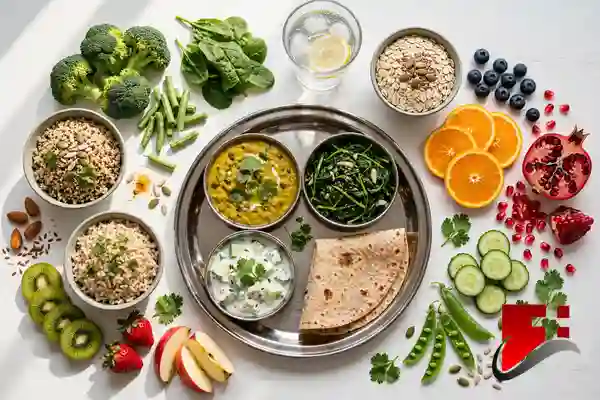
Build meals around green leafy vegetables, broccoli, and bitter gourd. Add fruits like papaya and apples in moderation, whole grains, and healthy fats like mustard oil, nuts, and seeds in small amounts. Lentils, fish, eggs, and lean chicken provide good protein. Home-cooked food with less oil, like steamed fish, dal, and sabzi, is far kinder to your liver than restaurant or packaged food.
4. Exercise Regularly
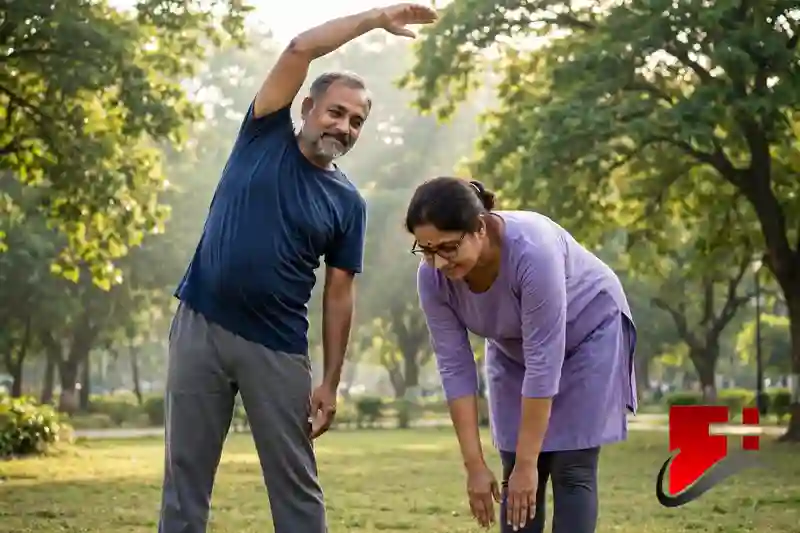
Aim for 30 minutes of moderate activity, five days a week. Brisk walking is the simplest and most effective choice. Cycling, swimming, and yoga also help. Add light strength training twice a week to build fat-burning muscle. If you have not exercised in a long time, start with 10 to 15 minutes a day and build up. Consistency matters more than intensity.
5. Avoid or Stop Alcohol
Alcohol is directly toxic to liver cells. For someone with fatty liver, even moderate drinking makes things worse. The best choice is to stop completely, at least until your liver recovers. If stopping feels difficult, speak honestly with your doctor. There is no shame in asking for help.
6. Control Diabetes and Cholesterol
Fatty liver usually comes with diabetes, high cholesterol, or high blood pressure. Keep blood sugar in your doctor's target range, follow advice on diet and medicines for cholesterol, and take prescribed medicines regularly. What is good for your heart is good for your liver. Think of it as one connected system.
7. Get Regular Medical Monitoring
Lifestyle changes work best with medical guidance. Repeat liver function tests every 3 to 6 months, follow-up ultrasounds or FibroScan to measure improvement, and regular review of weight, diabetes, and cholesterol. At the Liver Gastro Clinic of Lords Health Care in Howrah, doctors combine lifestyle counselling with modern diagnostics, turning guesswork into a clear treatment plan.
When Should You See a Doctor?
See a doctor promptly if you notice persistent pain in the upper right belly, yellowing of skin or eyes, unexplained tiredness, swelling in the legs or belly, dark urine, sudden weight loss, or recurring nausea. Also seek care if you have fatty liver along with diabetes, heavy alcohol use, or a family history of liver disease.
Do not wait for symptoms to become severe. Liver disease is much easier to treat early. A single consultation and a few tests can tell you exactly where you stand.
Frequently Asked Questions
Can fatty liver be completely cured?
In its early stages, yes. Fatty liver without inflammation or scarring can be fully reversed with sustained lifestyle changes. Once scarring (cirrhosis) sets in, damage is harder to reverse, which is why early treatment matters.
How long does it take to reverse fatty liver?
Many people see improvement in liver function tests within 3 to 6 months of consistent changes. Visible fat reduction on ultrasound may take 6 months to a year. Patience and consistency are key.
Is fatty liver dangerous?
Early fatty liver is not immediately dangerous, but it should not be ignored. Left untreated for years, it can progress to inflammation, scarring, and eventually cirrhosis. The danger lies in neglecting it.
What foods should I avoid with fatty liver?
Avoid sugary drinks, sweets, fried and processed foods, refined flour products, excessive red meat, and alcohol. Go easy on salt as well.
Do I need medicines for fatty liver?
There is no single medicine that cures fatty liver by itself. Treatment focuses on lifestyle changes plus medicines for related conditions like diabetes and cholesterol, as your doctor advises.
Take Charge of Your Liver Health
Fatty liver is common, but you do not have to live with it. In its early stages, it responds well to steady weight loss, less sugar, liver-friendly food, regular exercise, no alcohol, and good control of diabetes and cholesterol. These 7 steps are the heart of effective fatty liver treatment in Howrah.
If you are in Howrah and worried about your liver reports, visit the Liver Gastro Clinic at Lords Health Care. Our doctors offer complete evaluation with modern facilities including FibroScan, plus practical lifestyle guidance. Early action today can save you from serious liver problems tomorrow.
Lords Health Care
13/3, Circular 2nd Bye Lane, Kona Expressway, Shibpur, Howrah - 711102 (Near Nabanna)
Phone: +91-8272904444 | Toll-Free: 18003090895
Website: www.lordshealthcare.org
Book your appointment today and take the first step toward a healthier liver.