

Abdominal Ultrasound in Shibpur Near Nabanna: What Can an Ultrasound Scan Detect?
Looking for an Abdominal Ultrasound in Shibpur Near Nabanna? Learn what an abdominal ultrasound checks, when doctors recommend it and how to prepare.
What Is an Abdominal Ultrasound?
An abdominal ultrasound is a non-invasive diagnostic imaging test that uses high-frequency sound waves to create images of organs and structures inside the abdomen. Unlike X-rays, ultrasound does not use ionizing radiation.
Doctors may recommend an abdominal ultrasound when they need to evaluate symptoms such as abdominal pain, bloating, swelling or certain abnormal blood-test findings. Depending on the clinical situation, the examination can provide information about the liver, gallbladder, kidneys, pancreas, spleen, bile ducts and abdominal blood vessels.
For people searching for an Abdominal Ultrasound in Shibpur Near Nabanna, understanding what the scan can and cannot show can make the diagnostic process easier.
What Can an Abdominal Ultrasound Detect?
An abdominal ultrasound does not diagnose every abdominal condition, but it can help doctors evaluate several important organs and conditions.
1. Liver Conditions
An abdominal ultrasound can provide images of the liver and may help doctors evaluate certain structural abnormalities or signs associated with liver disease.
If you have persistent abdominal symptoms or abnormal liver-related blood tests, your doctor may decide that an ultrasound is appropriate as part of the evaluation.
2. Gallstones and Gallbladder Problems
The gallbladder is one of the key organs examined during an abdominal ultrasound.
Ultrasound can help identify gallstones and may also help evaluate gallbladder inflammation and related abnormalities.
Symptoms such as upper abdominal discomfort, particularly when persistent or associated with other symptoms, may lead a doctor to recommend imaging.
3. Kidney Stones and Kidney-Related Findings
Abdominal ultrasound can evaluate the kidneys and may help identify kidney stones and certain structural abnormalities.
If you have urinary symptoms, recurrent kidney-related problems or abnormal kidney-function blood tests, your doctor may recommend imaging depending on your individual situation.
For patients who require specialist kidney care, Lords Health Care also provides a dedicated Nephrology service.
4. Pancreas and Spleen
The pancreas and spleen are also among the structures that may be evaluated during an abdominal ultrasound.
However, ultrasound visibility can sometimes be affected by bowel gas or other technical limitations. Therefore, the doctor may recommend another imaging test if more detailed evaluation is required.
5. Abdominal Blood Vessels
Ultrasound can also be used to examine major blood vessels within the abdomen. Doppler ultrasound, when appropriate, can provide information about blood flow through vessels.
Abdominal ultrasound is also commonly used for screening and evaluation of an abdominal aortic aneurysm in appropriate patients.
When Might a Doctor Recommend an Abdominal Ultrasound?
An Ultrasound Test in Shibpur may be recommended when a doctor needs additional information about abdominal symptoms or laboratory findings.
Common reasons can include:
- Persistent abdominal pain
- Abdominal swelling or bloating
- Suspected gallstones
- Suspected kidney stones
- Certain abnormal liver-function tests
- Certain abnormal kidney-function tests
- Evaluation of the liver, gallbladder, kidneys or pancreas
- Follow-up of a previously identified abnormality
- Evaluation of certain abdominal blood-vessel conditions
The appropriate test depends on the symptoms, medical history and examination findings. An ultrasound should therefore be performed for an appropriate clinical indication rather than simply because a symptom exists.
Abdominal Ultrasound vs Other Imaging Tests
Patients often wonder whether an ultrasound is better than an X-ray or CT scan.
These tests serve different purposes.
An abdominal ultrasound uses sound waves and does not expose the patient to ionizing radiation. It is particularly useful for evaluating many soft-tissue structures and for examining organs such as the liver, gallbladder and kidneys.
However, ultrasound has limitations. Air and bowel gas can interfere with the sound waves, and some structures may not be visualized adequately. In such situations, a doctor may recommend another imaging method, such as CT or MRI, depending on the clinical question.
The choice of imaging should be based on the patient’s symptoms and the information the doctor needs.
How Should You Prepare for an Abdominal Ultrasound?
Preparation depends on the specific ultrasound examination.
For many abdominal ultrasound examinations, patients may be asked to avoid eating or drinking for several hours before the scan. Mayo Clinic notes that fasting for around 8 to 12 hours is commonly requested for an abdominal ultrasound, although preparation instructions can vary.
RadiologyInfo also recommends following the specific instructions provided by the doctor or imaging department because preparation requirements differ between ultrasound examinations.
Before your appointment:
- Follow the fasting instructions provided by the diagnostic centre.
- Ask whether you can drink water before the examination.
- Do not stop prescribed medicines unless your healthcare professional instructs you to do so.
- Wear comfortable clothing.
- Carry previous reports if your doctor or diagnostic centre has requested them.
If you are unsure about fasting or medication instructions, confirm them with the diagnostic centre before the examination.
What Happens During an Abdominal Ultrasound?
An abdominal ultrasound is generally a straightforward examination.
You will usually lie on an examination table while a sonographer or trained healthcare professional applies ultrasound gel to the abdomen. A handheld device called a transducer is then moved over the skin to capture images.
You may be asked to change position or briefly hold your breath during parts of the examination so that clearer images can be obtained.
Most ultrasound examinations are painless, although some pressure may be uncomfortable if the abdomen is already tender.
After the scan, patients can generally return to their normal activities immediately.
Is Abdominal Ultrasound Safe?
Diagnostic ultrasound is considered a safe, non-invasive imaging technique and does not use ionizing radiation. Standard diagnostic ultrasound has no known harmful effects when appropriately used.
It is still important to follow the instructions provided by your healthcare professional and use imaging when clinically appropriate.

What Happens After the Ultrasound?
The ultrasound produces images that need to be interpreted by an appropriately trained medical professional. A radiologist may review the images and prepare a report for the doctor who requested the examination.
Depending on the findings, your doctor may recommend:
- No further investigation
- Follow-up monitoring
- Blood tests
- Specialist consultation
- Additional imaging
- Further diagnostic procedures
An ultrasound report should always be interpreted in the context of your symptoms, medical history and other test results.
If you need to discuss your symptoms with a doctor, you can use the Doctor Booking service at Lords Health Care.
Abdominal Ultrasound in Shibpur Near Nabanna
If you are searching for an Abdominal Ultrasound Near Nabanna, choosing a diagnostic facility that can coordinate imaging with appropriate clinical evaluation can make the diagnostic process more convenient.
Lords Health Care in Shibpur, Howrah, near Nabanna and Kona Expressway provides diagnostic and specialist healthcare services. Its Surgical Gastroenterology service specifically lists abdominal ultrasound among its diagnostic support services, alongside endoscopy and colonoscopy.
You can also explore the Diagnostic Services at Lords Health Care for information about available diagnostic investigations.
For laboratory investigations that may accompany abdominal evaluation, Lords Health Care also has a Speciality Lab with in-house pathology services.
When Should You Speak to a Doctor?
Not every episode of abdominal discomfort requires an ultrasound. Your doctor may first assess your symptoms and medical history before deciding whether imaging is necessary.
Seek prompt medical attention if abdominal symptoms are severe, sudden, persistent or accompanied by concerning symptoms such as fainting, significant bleeding, persistent vomiting, severe weakness or other signs of an acute medical problem.
For ongoing digestive or abdominal concerns, discussing your symptoms with an appropriate healthcare professional can help determine whether an Abdominal Ultrasound in Shibpur or another diagnostic test is suitable.
Frequently Asked Questions
1. What is an abdominal ultrasound used for?
It is used to evaluate abdominal organs and structures including the liver, gallbladder, kidneys, pancreas, spleen and certain blood vessels. It can help investigate conditions such as gallstones, kidney stones, abdominal pain and some liver-related abnormalities.
2. Is an abdominal ultrasound painful?
Usually, no. It is generally painless, although pressure from the ultrasound probe can cause temporary discomfort, particularly over a tender area.
3. Do I need to fast before an abdominal ultrasound?
You may need to fast before some abdominal ultrasound examinations. The exact instructions vary, so follow the instructions given by your doctor or diagnostic centre.
4. Does an abdominal ultrasound use radiation?
No. Ultrasound uses sound waves rather than ionizing radiation.
5. Can an ultrasound detect kidney stones?
An abdominal ultrasound can help identify kidney stones and evaluate the kidneys, although the ability to detect stones can vary depending on their location and other factors.
6. Can abdominal ultrasound detect gallstones?
Yes. Gallstones are among the conditions that abdominal ultrasound can help identify.
7. Can I go back to work after an abdominal ultrasound?
Generally, yes. Most patients can resume normal activities immediately after a routine ultrasound examination.
Looking for an Abdominal Ultrasound in Shibpur Near Nabanna?
For residents around Shibpur, Nabanna, Kona Expressway and Howrah, Lords Health Care provides access to diagnostic and specialist healthcare services under one healthcare facility.
Lords Health Care
📍 13/3, Circular 2nd Bye Lane, Kona Expressway, Shibpur, Howrah – 711102
📞 +91 82729 04444
📞 +91 70033 78414
📞 +91 89024 64422
☎️ Toll-Free: 18003090895
🌐 www.lordshealthcare.org
Before booking an Abdominal Ultrasound in Shibpur Near Nabanna, confirm the examination type, preparation requirements, availability and any doctor referral requirements with the healthcare facility.
Related Articles
View all →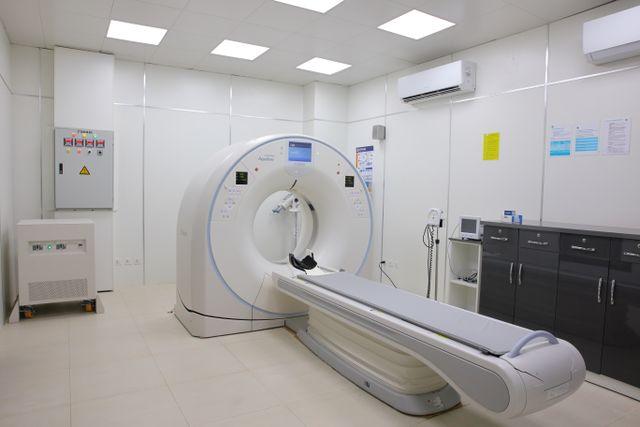
CT Scan in Shibpur Near Nabanna: When Is a CT Scan Recommended?